


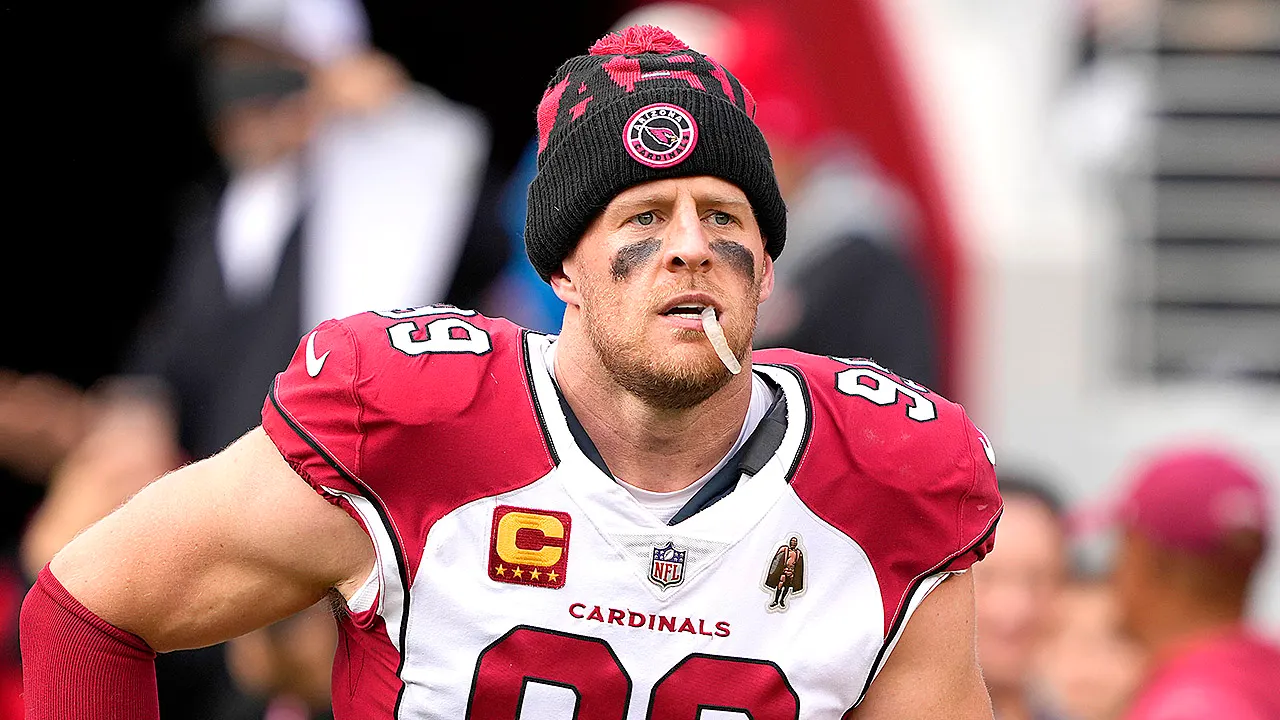
Ex-NFL star JJ Watt criticizes Steelers’ players who shared details of Mike Tomlin’s emotional final meeting
In the world of professional sports, especially in the NFL, there is a fine line between transparency and privacy when it comes to the inner workings of a team. Recently, Pittsburgh Steelers players came under fire for sharing the emotional details of head coach Mike Tomlin’s final team meeting with the media. This sparked a heated debate within the football community about the boundaries of what should be kept private and what can be shared with the public.
One of the most vocal critics of the Steelers players’ decision to share the emotional details of Tomlin’s final team meeting was J.J. Watt, a defensive end for the Arizona Cardinals. Watt, known for his strong leadership qualities and respect for the game, expressed his disappointment in the players’ lack of discretion. In a series of tweets, Watt criticized the players for not respecting the sanctity of the team meeting and for betraying their coach’s trust.
Watt’s comments ignited a firestorm of controversy, with some fans and analysts agreeing with his stance on the matter, while others defended the players’ right to share their experiences. The debate raised important questions about the balance between transparency and privacy in professional sports, as well as the responsibilities that players have to their coaches and teammates.
At the heart of the issue is the question of whether certain moments within a team should be kept private or shared with the public. Team meetings, especially those involving emotional farewells or important decisions, are typically considered confidential and meant for the ears of the players and coaching staff only. When players choose to disclose the details of these meetings to the media, it can create a breach of trust and undermine the cohesion of the team.
In the case of the Steelers players sharing the emotional details of Tomlin’s final team meeting, many argued that it was a betrayal of the coach’s trust and a violation of the team’s internal dynamics. Tomlin, who had been the head coach of the Steelers for over a decade, was a highly respected figure within the organization and had built strong relationships with his players. The decision to publicize the details of his final meeting with the team was seen as disrespectful and potentially damaging to the team’s morale.
Watt’s criticism of the players was not just about the breach of trust, but also about the potential consequences of their actions. By sharing the emotional details of Tomlin’s final team meeting, the players may have inadvertently created a distraction and drawn unwanted attention to the team during a critical time. In the high-pressure environment of the NFL, where every decision and move is scrutinized by fans and the media, maintaining a sense of unity and focus is essential for success.
Furthermore, Watt’s comments highlighted the importance of leadership and accountability within a team. As a veteran player and respected figure in the NFL, Watt understood the impact that the players’ actions could have on the team’s culture and dynamics. By calling out the players for their lack of discretion, he was not just expressing his personal opinion, but also setting an example for how players should conduct themselves in moments of adversity.
The controversy surrounding the Steelers players’ decision to share the emotional details of Tomlin’s final team meeting also raised broader questions about the nature of privacy in professional sports. In an era of social media and constant connectivity, athletes are under more scrutiny than ever before, with their every move and word subject to public scrutiny. While fans and the media crave transparency and inside access to their favorite teams, there are certain moments that should remain sacred and private within the confines of the locker room.
The issue of privacy in sports is not just about protecting the personal lives of athletes, but also about preserving the integrity of the game and the relationships within a team. When players choose to disclose sensitive information to the public, they risk undermining the trust and respect that is essential for a successful team dynamic. In the case of the Steelers players sharing the emotional details of Tomlin’s final team meeting, they not only violated their coach’s trust but also potentially damaged the bond between themselves and their teammates.
As the debate over the Steelers players’ actions continued to rage on, it became clear that the issue was not just about one team or one meeting, but about larger themes of respect, integrity, and accountability in professional sports. The incident served as a reminder that athletes, no matter how talented or famous, are still held to a certain standard of conduct and professionalism both on and off the field.
In conclusion, J.J. Watt’s criticism of the Pittsburgh Steelers players for sharing the emotional details of Mike Tomlin’s final team meeting was not just a condemnation of their actions, but a call for greater respect and discretion within the world of professional sports. The incident highlighted the delicate balance between transparency and privacy in the NFL, and the importance of upholding the sanctity of team meetings and relationships. As athletes and public figures, players have a responsibility to conduct themselves with integrity and respect for their coaches, teammates, and the game itself. By speaking out against the players’ decision to publicize the details of Tomlin’s final team meeting, Watt set an example for how athletes should navigate the complexities of privacy and transparency in the modern sports world.
Source: Fox News





















 LIVE
LIVE LIVE
LIVE